Things to Do
Boating Lake Tillery
Roughly fifteen miles of reservoir water, protected coves at both ends, and a causeway crossing in the middle that everyone uses as a landmark.
Planning your visit
Pick a launch before choosing a route
A good boating day begins on the road. Choose a public ramp that fits your departure shore and the kind of outing you want, then check current access information before towing. Swift Island, near NC 24/27, Lilly’s Bridge, and Morrow Mountain are the principal public-access names to understand. They are not interchangeable for every vessel or itinerary. Swift Island has a low bridge at the cove mouth, so overhead clearance deserves particular attention. Do not assume a boat that fits on its trailer will clear a bridge with its canopy or other equipment raised.
Prepare away from the ramp where space permits. Load supplies, secure loose gear, install required fittings, and discuss the departure sequence before backing down. Once afloat, move clear so the next trailer can work. On return, have dock lines ready and give a single person responsibility for communicating with the driver. A calm launch is not about speed; it is about doing the slow jobs somewhere that does not hold up everyone else. If a ramp feels beyond your towing or docking experience, change the plan rather than accepting unnecessary pressure.
Planning your visit
Read clearance, depth, and weather together
Lake Tillery is a Duke Energy reservoir, not a fixed-depth swimming pool. Full pond is 278 feet above sea level, but that reference does not establish clearance beneath your hull at a particular dock or shallow margin. Watch current conditions and use appropriate navigation information. A residential dock that looks substantial is not evidence that the adjoining water suits your draft. Keep room to turn around before entering unfamiliar coves, and avoid following another boat as if its operator has verified a safe route for your vessel.
Weather matters beyond the chance of rain. Wind can make exposed water uncomfortable and complicate the final approach to a dock. A thunderstorm can remove a comfortable return route quickly. Set a conservative turnaround point and identify where you can leave the water safely, rather than relying on a remote cove as shelter. After heavy rain, slow down and look carefully for floating wood and other debris. A passenger can help watch ahead, but the operator remains responsible for visibility, safe speed, and decisions about whether to continue.
Planning your visit
Make the return part of the outing
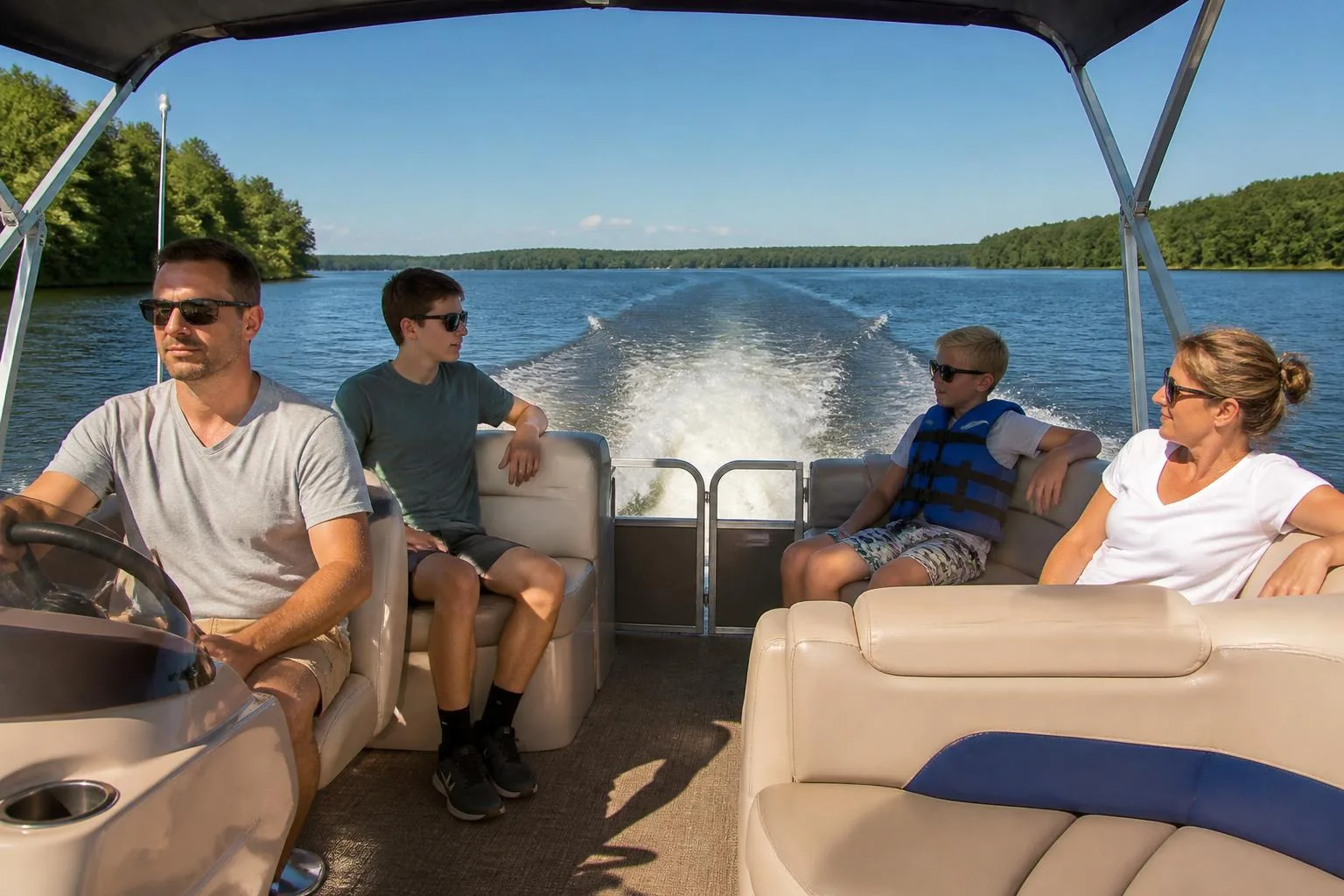
Agree on a sober operator before boarding and keep enough fuel for the full route with a reserve. Check the current North Carolina requirements for your vessel and operator, including any boating-education obligations. Have a properly fitted life jacket available for each person, with children wearing theirs as required. Wearing one is a prudent choice for adults too, especially in unfamiliar or cool water. Put a communication device in a dry, reachable place and tell someone ashore where you intend to go and when you expect to return.
When towing a rider, swimming, or anchoring, choose water with adequate room and visibility and follow applicable rules. Never treat a cove as empty simply because it looks quiet from the entrance; anglers, paddlers, and swimmers may be difficult to see. Reduce wake with regard to shoreline users and posted restrictions, and avoid passing closely beside occupied docks. Finish with daylight and patience available for retrieval. Wet steps, distracted passengers, and a crowded ramp can make the final few minutes more demanding than the cruise itself.
Where to go
Reading the lake
The middle lake around the NC 24/27 causeway is the widest, busiest water and the natural place for skiing and wakeboarding early in the day. North of there the lake narrows into river-like water with less traffic and more wildlife. South toward the dam it opens again with long views.
Coves throughout hold flat water even on busy afternoons, which is why families with young children tend to anchor rather than run.
- Mid-lake causeway area for open water
- Upper lake for quiet cruising
- Southern basin for long views
- Coves for anchoring and swimming
Safety
Rules, wakes, and courtesy
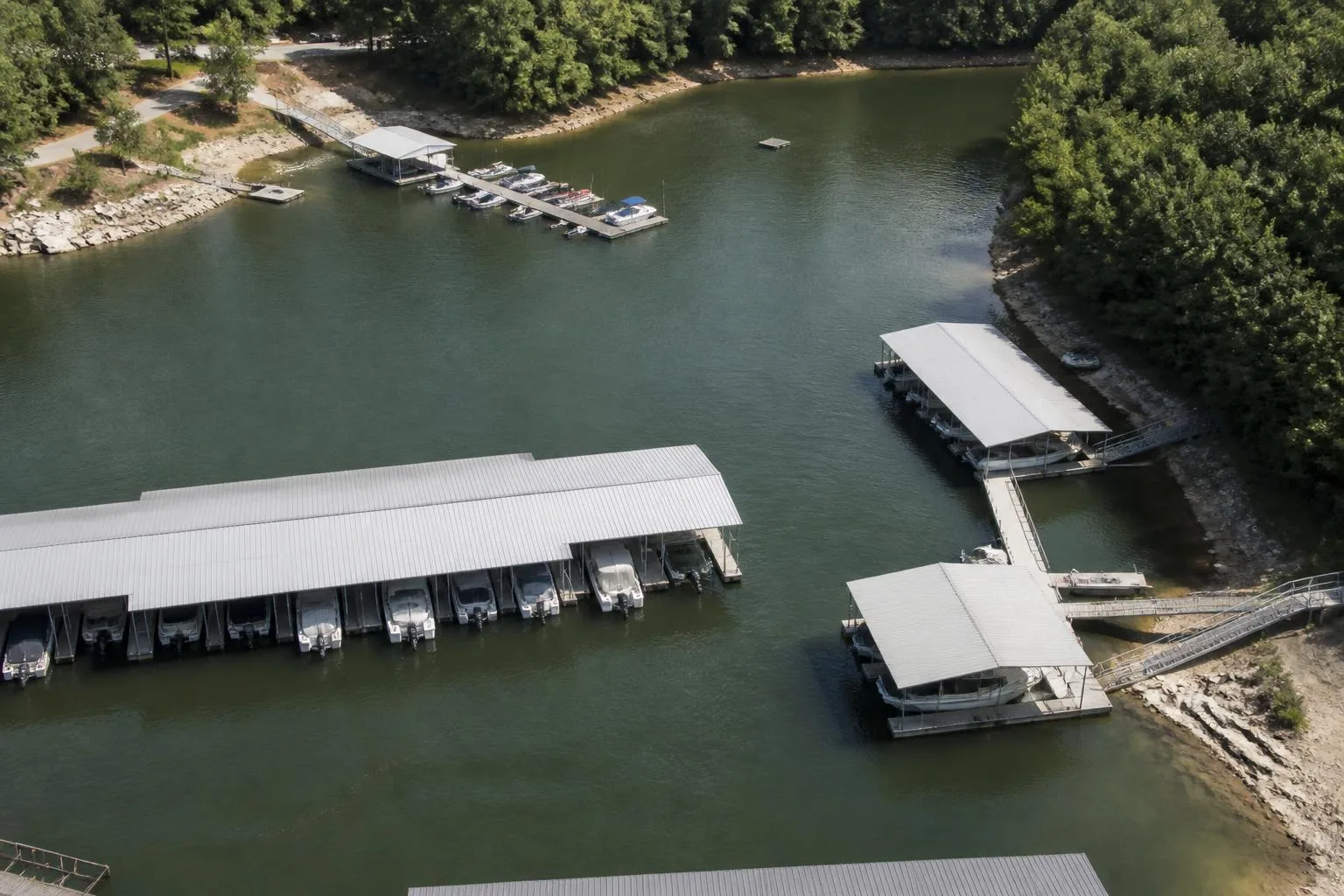
North Carolina requires vessel registration and life jackets for children under 13 while underway. Observe no-wake zones near ramps, marinas, and residential docks — on a lake this size, a careless wake reaches somebody's boathouse.
Watch for floating debris after heavy upstream rain; it can be difficult to spot from a moving boat.
- Registration through NC Wildlife Resources Commission
- No-wake near docks, ramps, and marinas
- Life jackets for children under 13
- Debris after upstream rain
- Navigation lights after sunset
Keep exploring