Real Estate
Land and acreage around the lake
Off-water parcels are where the value is \u2014 provided the due diligence gets done properly.
Practical guidance
Define the buildable envelope on paper
A parcel’s acreage is not the same as its usable building area. Overlay the boundary survey, setbacks, easements, proposed driveway, and septic system requirements before choosing a house plan. Leave room for the repair area required by the septic approval, where applicable. A generous-looking tract can still have a narrow practical envelope once slope and access are considered.
County GIS is a useful starting point for finding parcel identifiers and understanding the surroundings, but it is not a boundary survey or a building approval. Ask a surveyor and the relevant county offices to resolve uncertainty. For a purchase dependent on a specific home size or outbuilding, get that intended use into the feasibility discussion rather than asking only whether the land is generally buildable.
Practical guidance
Walk the access and utility routes
Legal access and practical construction access are different questions. Confirm recorded rights with the closing attorney, then have a builder assess the road width, turns, grade, and delivery staging. A narrow wooded approach may be charming for a passenger vehicle and difficult for concrete trucks or long loads. Private road maintenance agreements deserve careful review, including how shared repairs are decided and paid for.
Obtain address-specific information about electricity, water options, and internet. A service line along a nearby road does not establish the cost or feasibility of reaching the proposed home. Where a well is contemplated, discuss siting and testing with qualified local professionals. Plan trenches and equipment routes together so future work does not unnecessarily disturb a finished drive or the only viable septic area.
Practical guidance
Evaluate land for the life you intend to lead
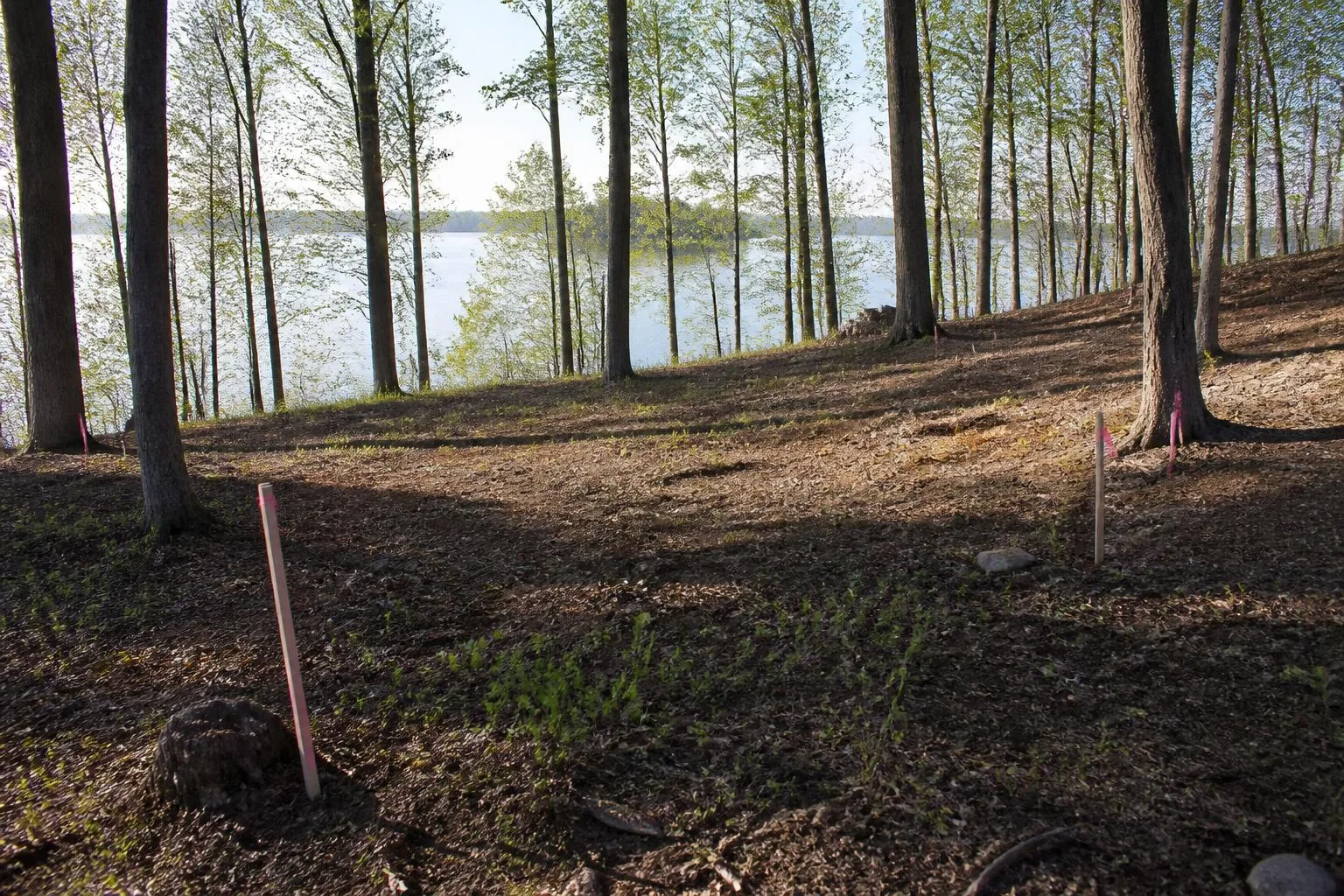
Privacy buyers should inspect neighboring land uses and the view in more than one season. Tree cover can screen a nearby house in summer without doing so in winter. Walk drainage paths after rainfall when safe, note steep areas, and ask about mapped flood hazards or other constraints. Upper-lake frontage has a river-influenced character; it should not be evaluated as if every parcel offered the same quiet-cove boating experience.
For a workshop, garden, guest space, or animals, verify zoning and recorded restrictions before relying on the acreage alone. Consider where vehicles turn, materials are stored, and runoff is managed. Clearing everything at once can remove useful shade and privacy before the site plan is settled. A selective approach, guided by the survey and construction plan, preserves choices and reduces the chance of paying to undo early work.
Due diligence
What to verify before you buy raw land
Land looks simple and rarely is. The essential checks are soil suitability for septic, water availability, legal access, and whether the parcel is encumbered by easements or right-of-way that would sit where you intended to build.
In Stanly and Montgomery counties, GIS parcel data and county environmental health offices answer most of these questions quickly. What they will not tell you is how the road maintains in February or where water actually stands after a three-inch rain — that requires a second visit in bad weather.
- Soil evaluation and septic suitability
- Well depth expectations in the area
- Recorded legal access and easements
- Road maintenance responsibility
- Floodplain and wetland mapping
- Timber value and clearing costs
Segments
The kinds of acreage available here
Parcels near the lake fall into a few recognizable types: small homesites inside existing communities, five-to-twenty-acre tracts along the county roads, and larger timber or farm tracts further out toward the Uwharries. Upper-lake parcels sometimes carry river-influenced frontage, which behaves differently from lake frontage.
Buyers looking for outbuildings, shops, or space for horses generally end up in the second category.