The Lake
Seasons on the water
A Piedmont climate with long shoulder seasons \u2014 which is why the lake's best months are often the ones nobody books.
Use the forecast at lake scale
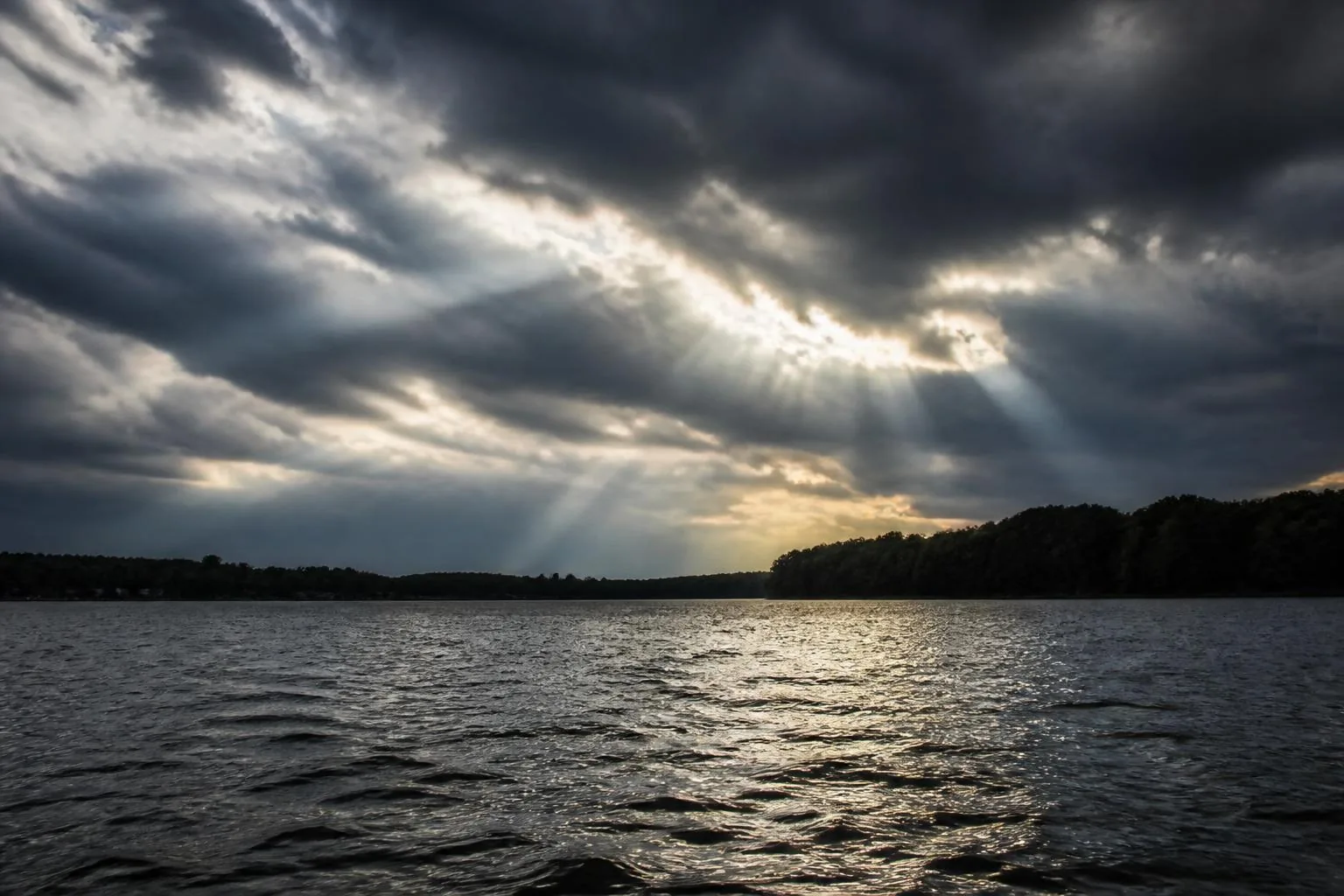
A forecast for the nearest town is a starting point, not a complete picture of conditions on the water. Lake Tillery stretches roughly fifteen miles along the Pee Dee, and an exposed main-channel crossing can feel very different from a sheltered dock. Look at hourly wind, gusts, thunderstorm potential, and the timing of changing conditions rather than relying on a single sun or rain symbol.
Before launching, combine the forecast with water-level information. Rain elsewhere in the watershed can affect the lake even when local skies are clearing. Cold water also deserves respect on a mild spring afternoon: comfortable air does not make an accidental immersion comfortable. Dress for the water and the return journey, with dry layers kept protected from spray.
Build a weather exit into the day
Choose your return point before choosing how far to cruise. On a long reservoir, getting back to the trailer or rental dock may take more time than expected, especially if wind rises. A shaded cove is not a lightning shelter, and a bridge is not a substitute for a substantial enclosed building. If thunder is audible, end swimming and boating activities and seek appropriate shelter rather than waiting for rain to arrive.
The boating guide helps frame a realistic day on the water. For a land-based alternative, use the itinerary collection and confirm which stops truly offer indoor space; historic grounds and park overlooks still require outdoor walking. In winter, check road and park notices as well as the temperature. Shaded roads, wet leaves, and a steep rental driveway can change an otherwise simple outing. No seasonal description replaces the current forecast or an official closure notice.
Spring
March through May
Spring arrives early in the Piedmont. Dogwoods and redbuds move through the Uwharrie understory in late March, and by mid-April the hardwood canopy has closed. Water temperatures climb from the low 50s into the 70s across the season, which puts bass on the bank and makes this the strongest fishing stretch of the year.
Spring is also the wettest stretch, and upstream rain shows up in the lake as color and debris. Boating is comfortable but still cool on the water; most weekends before May belong to anglers.
Summer
June through August
Summer is warm and humid, with highs commonly in the upper 80s to low 90s and surface water temperatures that make swimming effortless. Afternoon thunderstorms build fast — the standard Piedmont pattern is a clear morning, a hot afternoon, and a short violent cell around four o'clock.
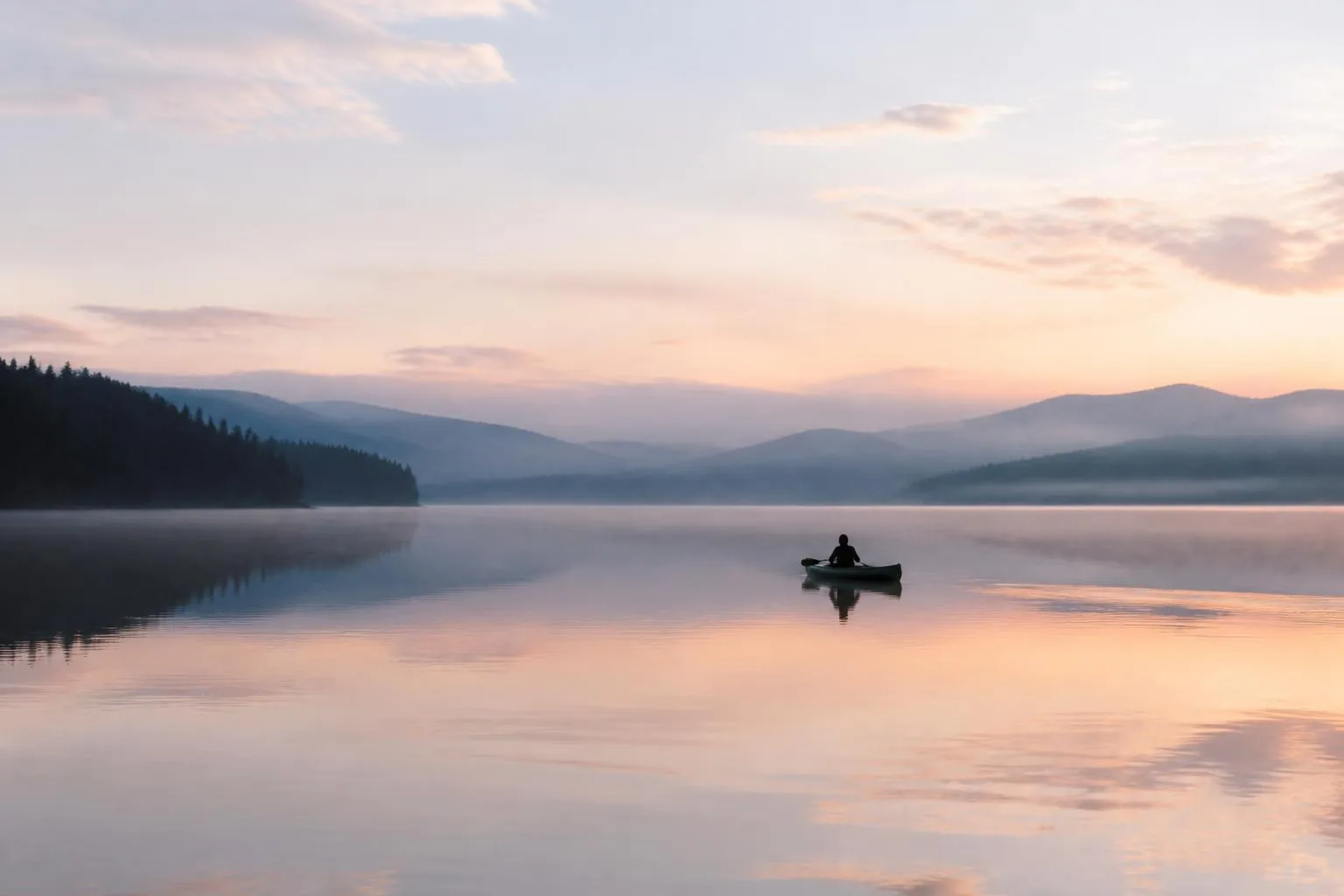
This is peak season for boat traffic, mostly concentrated in the middle of the lake and around the causeway. Coves stay noticeably calmer, and early mornings on Tillery are as glassy as any lake in the state.
Fall
September through November
Fall is the region's best-kept secret. Water stays warm well into October while air temperatures drop into the comfortable 70s, humidity breaks, and weekend traffic thins out after Labor Day. Uwharrie color usually peaks late October into early November.
For homeowners, fall is also when the lake photographs best — a fact that matters more than it should when a waterfront property comes to market.
Winter
December through February
Winters are mild by national standards: highs frequently in the 50s, occasional hard freezes, and only intermittent snow or ice. The lake does not freeze in any meaningful way. Striper and catfish anglers keep working the channel, and Morrow Mountain's trails are at their most open with the leaves down.
For second-home owners, winter is the season that determines whether a house is genuinely year-round: heat, water lines to the dock, and driveway grade all matter more in January than they do in July.
Questions
Frequently asked
When is the best time to visit Lake Tillery?
Late September through October is the sweet spot — warm water, mild air, peak Uwharrie color, and far less boat traffic than midsummer. Spring is the best fishing window.
How warm does Lake Tillery get in summer?
Surface water typically reaches the low to mid 80s in midsummer, with air temperatures commonly in the upper 80s to low 90s.
Does Lake Tillery freeze?
No. Shallow edges can skim over during a hard freeze, but the lake does not develop meaningful ice cover.