The Lake
Older than the Appalachians, younger than the dam
The Uwharries are the worn roots of a volcanic range; the lake is barely a century old. Between the two sits one of the most significant archaeological landscapes in the Southeast.
Deep time
An ancient range worn down to hills
The Uwharrie Mountains are among the oldest mountains in North America — the eroded remnants of a volcanic island arc that geologists estimate once reached far greater heights than today's Appalachian peaks. What remains is a landscape of rounded, densely forested ridges rarely exceeding 1,000 feet, cut through by the Pee Dee.
That geology explains the region's rock, its soil, and its historic economy. It also explains why the shoreline looks the way it does: steep wooded slopes running down to the water rather than the gentle shelves of a coastal-plain lake.
First peoples
Town Creek and the Pee Dee culture
A few miles south of the lake sits Town Creek Indian Mound, a reconstructed Mississippian-period ceremonial center associated with the Pee Dee culture. It is North Carolina's only state historic site dedicated to Native American history, and it is the anchor for understanding how long this river corridor has been occupied.
The site includes a reconstructed earthen mound, ceremonial structures, and a stockade, along with an interpretive center. For anyone spending real time around Lake Tillery, it reframes the region: the water is new, but the corridor is not.
Industry
Aluminum, hydropower, and a French-planned village
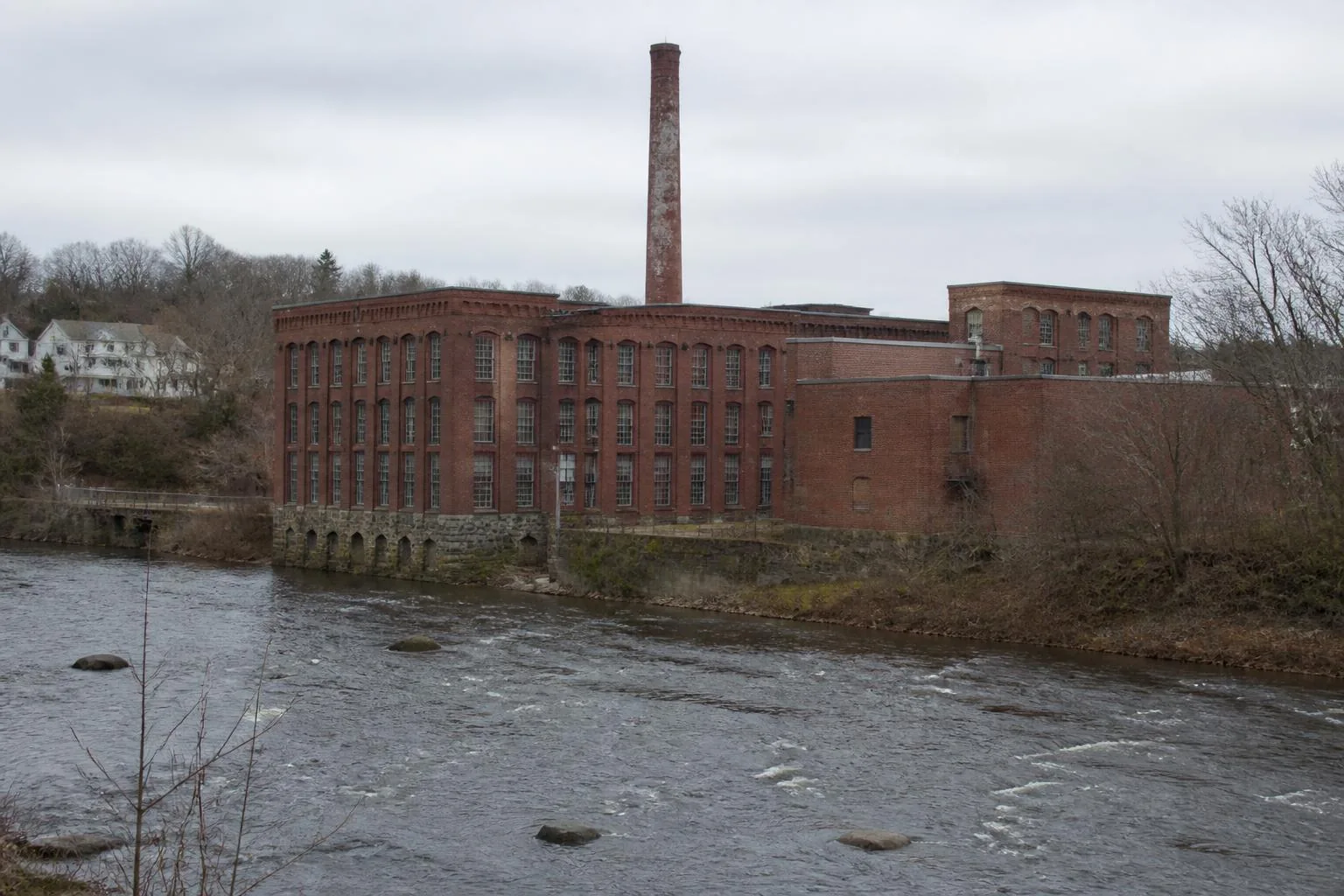
In the early twentieth century the Yadkin–Pee Dee's fall line attracted hydropower development, which in turn attracted aluminum smelting. Badin, just north of Tillery, was laid out by French interests before Alcoa took over — which is why its street plan and cottages still look unlike anything else in the Piedmont.
Tillery Dam was completed in 1928, flooding the river valley and creating the lake. Nearly a century later, hydropower remains the reason the lake exists and the reason its level is managed the way it is.
Today
From working river to weekend water
For decades Lake Tillery was primarily a local lake: fish camps, family cottages, and modest docks. The shift toward larger custom homes and planned communities came later than it did on reservoirs closer to Charlotte, which is part of why the shoreline still reads as relatively unhurried.
That late arrival is now the lake's defining advantage. Buyers get established trees, an intact state park peninsula, and a shoreline that was never fully built out during the boom years.
Sources & references